
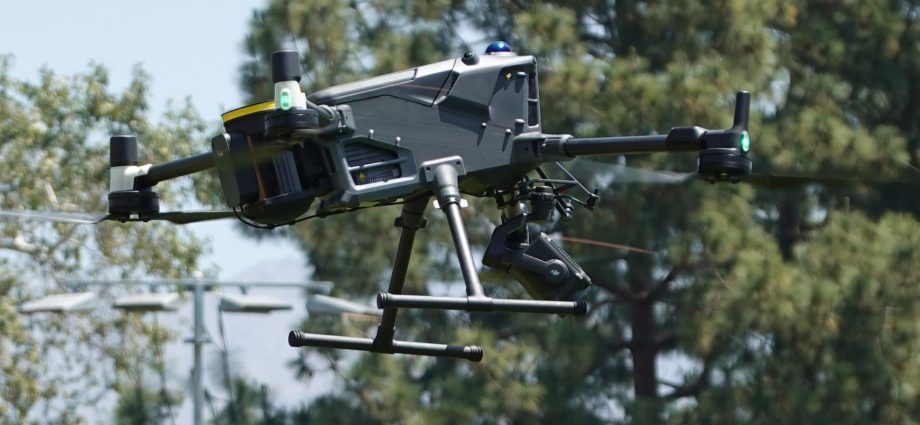
drone activity drop has been reported at the U.S.-Mexico border, with military officials stating a remarkable 75% decline following the use of a laser weapon.
Understanding the Drone Activity Drop
Recent developments have highlighted a significant drone activity drop at the U.S.-Mexico border, prompting discussions about the effectiveness of new military technologies. Following the deployment of advanced laser weapons, officials reported a staggering 75% decrease in unauthorized drone flights in the area.
This decline in drone activity can be attributed to several factors. First and foremost, the laser weapons employed by the U.S. military offer a precise and non-lethal means of neutralizing potential threats. By targeting drones directly, operators can effectively deter unauthorized flights without causing collateral damage.
Moreover, the psychological impact of these laser systems cannot be underestimated. The mere presence of such advanced technology likely discourages drone operators from venturing into restricted airspace, knowing they may be targeted. Military spokespersons have noted that the laser weapons serve as a clear signal of enforcement capabilities, enhancing overall border security.
In addition to these technological advancements, ongoing collaboration between military and border enforcement agencies has strengthened monitoring efforts. Improved intelligence-sharing has enabled a swift response to potential drone incursions, further contributing to the reported drop in activity.
As the situation evolves, it will be crucial to assess the long-term implications of this drone activity drop on border security and the potential for similar technologies to be implemented in other regions.
Impact of Laser Weapons on Border Security
The recent deployment of laser weapons has significantly altered the landscape of drone activity along the U.S.-Mexico border. According to military reports, there has been a remarkable 75% drop in drone activity since these advanced systems were introduced. This substantial decrease highlights the effectiveness of laser technology in enhancing border security.
The use of laser weapons serves multiple purposes in controlling drone activity, including:
- Precision targeting: Laser systems can accurately disable unauthorized drones without causing collateral damage, ensuring that legitimate air traffic remains unaffected.
- Deterrence: The mere presence of such advanced technology acts as a deterrent against potential drone operators who might consider breaching U.S. airspace.
- Cost-effectiveness: Compared to traditional methods of drone interception, laser weapons offer a more sustainable and economically viable solution for border security.
The implications of this technology extend beyond mere numbers. As drone activity drops, authorities are better equipped to monitor and manage other pressing security concerns. Moreover, the success of laser weapons in this context may pave the way for further innovations in border control tactics.
As the U.S. continues to adapt to evolving threats, the proven impact of laser weapons on drone activity emphasizes the importance of integrating advanced technologies into national security strategies.
Military Response to Drone Threats
The recent drop in drone activity at the U.S.-Mexico border has prompted military officials to evaluate their response strategies to emerging aerial threats. With a reported 75% decrease in unauthorized drone flights, the effectiveness of laser weapons has been underscored as a pivotal factor in this significant reduction. The military’s proactive measures illustrate a robust response to the evolving landscape of drone threats.
As the use of laser technology becomes more prevalent, several key advantages have been identified:
- Precision Targeting: Laser weapons can accurately disable drones without causing collateral damage, making them an ideal solution for border security.
- Cost-Effectiveness: The operational costs associated with laser systems are lower than traditional interception methods, reducing overall expenditure while enhancing security.
- Rapid Response: These systems can be deployed quickly and effectively, allowing military personnel to address threats in real-time.
Military sources indicate that the drastic drone activity drop at the border may serve as a model for future security protocols. By leveraging advanced technologies, armed forces are better equipped to safeguard national interests while maintaining public safety. The implications of this shift in strategy could pave the way for broader applications of laser technology in military operations, establishing a new standard for addressing aerial threats.
Future of Drone Surveillance Technology
The recent drop in drone activity at the U.S.-Mexico border raises important questions about the future of drone surveillance technology. As military forces adapt to emerging threats, the integration of advanced weaponry such as laser systems could redefine airspace control.
With a reported 75% decrease in drone incursions after the deployment of laser weapons, it is clear that innovative defense mechanisms are changing the landscape of aerial surveillance. This shift not only impacts national security but also showcases the evolving capabilities of military technology.
Industry experts predict several trends in the future of drone surveillance technology:
- Increased Automation: Drones are likely to become more autonomous, equipped with artificial intelligence to enhance decision-making and operational efficiency.
- Advanced Sensors: The integration of state-of-the-art sensors will improve the detection and tracking of unauthorized drone activities.
- Countermeasure Development: As drone activity drops due to laser weapons, there may be a surge in the development of alternative countermeasures to address the remaining threats.
- Policy Adjustments: Governments may revise regulations surrounding drone operations to ensure safe and responsible use while maintaining security.
As technologies evolve, the future of drone surveillance will continue to be influenced by these developments, shaping how borders are monitored and secured.
The recent drone activity drop has raised questions about the effectiveness of traditional countermeasures. Experts suggest that the proven impact of laser weapons may be a key factor in this significant drone activity drop.
Photo by Isaac Lee on Pexels