
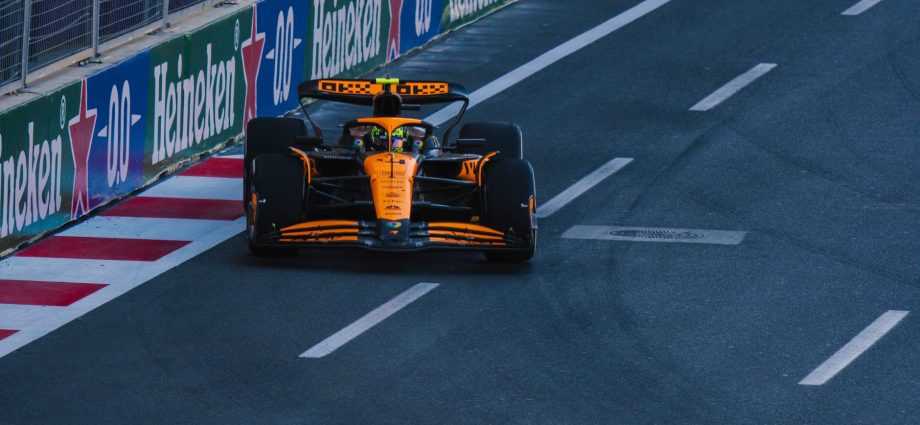
Hamilton Singapore GP truly imploded due to a combination of factors that shocked fans and analysts alike. This article dives into the reasons behind the unexpected turn of events.
What Went Wrong for Hamilton?
During the recent Hamilton Singapore GP, several factors contributed to a dramatic implosion in performance that left fans and analysts alike questioning what went wrong.
First and foremost, Hamilton faced significant challenges with his car’s setup. The tight and twisting street circuit is notorious for exposing weaknesses in vehicle handling, and it appeared that Hamilton’s team struggled to find the right balance, leading to a lack of confidence on the track.
Moreover, race strategy played a crucial role in the outcome. Poor pit stop timings and decisions regarding tire choices hampered Hamilton’s ability to maintain competitive pace. The team’s miscalculation in adapting to changing track conditions ultimately cost him valuable positions.
Additionally, external factors such as pressure from rival teams and the intense atmosphere of the Singapore night race added to the mounting stress. Hamilton’s inability to effectively manage these pressures became evident as the race progressed.
In summary, the combination of an unsuitable car setup, strategic missteps, and external pressures culminated in a disappointing performance for Hamilton at the Singapore GP, raising questions about the team’s future direction and approach.
Key Moments in the Race
During the Hamilton Singapore GP, several key moments contributed to the unexpected outcome of the race. The initial lap set the tone, with Hamilton struggling for grip on the tight street circuit.
- Lap 10: A collision involving a mid-field driver brought out the safety car, disrupting Hamilton’s race strategy. This forced him to rethink his tire strategy, which had seemed promising before the incident.
- Lap 25: Hamilton experienced a significant drop in pace as he navigated through traffic, struggling to overtake slower cars. This hindered his ability to maintain position and stay competitive.
- Lap 40: The team made a crucial decision to pit, but miscommunication led to delays that cost valuable seconds. Hamilton emerged from the pit lane in a lower position than anticipated.
- Final laps: As the race neared its conclusion, tire degradation became apparent. Hamilton’s performance suffered as he fought to maintain control on the deteriorating track, ultimately resulting in a disappointing finish.
These moments encapsulate the unpredictable nature of racing, illustrating how the Hamilton Singapore GP became an example of how quickly fortunes can change in Formula 1.
Analyzing the Team’s Strategy
In analyzing the team’s strategy during the Hamilton Singapore GP, it becomes clear that several critical decisions played a pivotal role in the race’s outcome. The initial tire choice, for instance, raised eyebrows among analysts, as the team opted for a compound that struggled for grip on the slippery circuit.
Furthermore, the timing of pit stops was a contentious issue. While some teams capitalized on early stops to gain track position, Hamilton’s team hesitated, resulting in lost time and opportunities. This delay not only affected Hamilton’s pace but also allowed competitors to pull ahead.
Another factor to consider is the communication between Hamilton and his engineers. Misunderstandings about strategy adjustments led to confusion on the track, preventing Hamilton from making the necessary moves to recover lost ground.
Finally, external factors, such as the weather and evolving track conditions, complicated the situation. Hamilton’s team struggled to adapt quickly, further exacerbating their strategic shortcomings.
Collectively, these elements contributed to what many are labeling as an implosion during the Hamilton Singapore GP, highlighting the importance of cohesive strategy in Formula 1 racing.
Fan Reactions to the Implosion
Following the disappointing outcome of the Hamilton Singapore GP, fans took to social media to express a mix of frustration and disbelief. Many were quick to analyze the multiple factors that led to Hamilton’s struggles during the race.
- Disappointment in Strategy: Several fans voiced their concerns over the team’s strategic decisions, questioning why Hamilton was not better supported during critical moments.
- Mixed Feelings on Performance: While some applauded Hamilton for his earlier resilience, others felt that the inconsistency in performance throughout the race was unacceptable.
- Support and Critique: A significant portion of the fanbase stood firmly behind Hamilton, defending him against harsh criticism, while others felt it was time for a serious evaluation of the team’s overall direction.
- Looking Ahead: Many fans are hopeful that the insights gained from the Hamilton Singapore GP will lead to improvements in future races, emphasizing the need for a stronger collaboration between driver and team.
As discussions continue online, it is evident that the incident has sparked a passionate dialogue among fans, indicating their deep investment in Hamilton’s career and the future of the sport.
Comparing Past Performances
When examining the Hamilton Singapore GP performances over the years, it’s evident that this year stood out for all the wrong reasons. In previous races, Hamilton demonstrated exceptional skill and adaptability under pressure, often finishing on the podium and showcasing his prowess on the challenging Marina Bay circuit.
To better understand the current situation, a comparison with Hamilton’s past performances reveals significant deviations:
- 2017: Hamilton showcased his strategic brilliance, clinching victory with a flawless drive and effective tire management.
- 2018: Another strong showing, where Hamilton’s qualifying pace translated into a commanding lead, underlining his ability to excel in night races.
- 2022: Hamilton faced difficulties but managed to secure a respectable finish, demonstrating resilience amidst challenges.
In contrast, the recent Singapore GP saw Hamilton struggle with car performance and team miscalculations. The culmination of these factors led to an unexpected implosion, leaving fans and analysts questioning the team’s direction and Hamilton’s future prospects on this historically favorable track.
Future Implications for the Season
The fallout from the Hamilton Singapore GP has raised significant questions about the future implications for the season. As the championship battle heats up, the repercussions of this race could resonate throughout the remaining events on the calendar.
For Hamilton, the setback at the Singapore GP may not just affect his standings but also his team’s morale. The need for a resilient mindset becomes critical as they navigate the challenges ahead. Key factors to consider include:
- Team Dynamics: The ability of the Mercedes team to regroup and maintain harmony will play a pivotal role in their performance.
- Technical Adjustments: Adapting the car setup based on recent lessons learned could lead to improved results in upcoming races.
- Driver Confidence: Hamilton’s psychological state following this implosion will be crucial. A strong comeback could bolster his chances, while lingering doubts may hinder his performance.
Ultimately, the Hamilton Singapore GP serves as a stark reminder of the unpredictability of F1, and how one race can significantly alter the trajectory of a season.
Photo by Ferid Faiqoglu on Pexels