
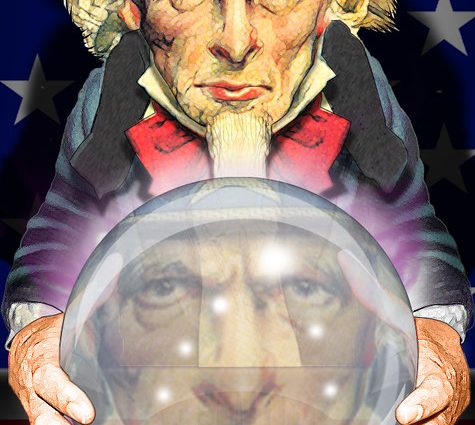
Prediction market legislation is set to be introduced by Ted Cruz after the midterms, aiming to reshape the gambling industry in the U.S.
Overview of Prediction Market Legislation
In recent years, the concept of prediction market legislation has gained traction as lawmakers consider the implications of allowing individuals to bet on future events. This innovative form of wagering enables participants to trade shares in the outcomes of various scenarios, ranging from political elections to sports events. Advocates argue that such markets can provide valuable insights into public sentiment and expert opinions, potentially leading to more informed decision-making.
One of the key proponents of this legislation is Texas Senator Ted Cruz, who plans to introduce a bill aimed at regulating prediction markets following the upcoming midterm elections. Supporters of Cruz’s initiative believe that prediction markets could contribute to a more transparent and efficient way of forecasting outcomes, while bringing in additional tax revenue for states.
However, the proposal is not without its critics. Detractors warn that these markets could pose ethical dilemmas and encourage irresponsible gambling behavior. Concerns have also been raised about the potential for manipulation, where individuals could exploit the market to influence outcomes for personal gain.
As the discussion around prediction market legislation unfolds, it raises important questions about the balance between innovation in gambling and the need for responsible regulation. The future of this legislation will likely depend on the broader societal attitudes toward gambling and its perceived benefits and risks.
Impact on the Gambling Industry
The introduction of prediction market legislation has the potential to significantly reshape the gambling industry. As states look for new revenue streams and ways to modernize their gambling frameworks, prediction markets present an innovative approach that could attract a younger demographic of bettors.
By allowing individuals to wager on the outcomes of various events, such as political elections or sports contests, this legislation could broaden the scope of traditional gambling. This not only introduces new betting opportunities but also promotes a more dynamic market environment. Here are some potential impacts:
- Increased Engagement: Younger audiences, who are more inclined to participate in digital platforms, may find prediction markets more appealing than conventional betting options.
- Revenue Generation: States could see increased tax revenues from prediction markets, which can be allocated to public services or infrastructure projects.
- Regulatory Challenges: As with any new form of gambling, there will be hurdles in establishing a regulatory framework that ensures fairness and transparency in prediction markets.
- Market Volatility: The unpredictable nature of events could lead to fluctuating odds and stakes, making it essential for operators to implement robust risk management strategies.
As the debate continues on whether prediction market legislation is the best move for gambling, stakeholders must carefully consider both the opportunities and challenges it presents for the industry.
Ted Cruz’s Political Strategy
Senator Ted Cruz has been vocal about his intentions to introduce prediction market legislation following the midterm elections. His approach is seen as a strategic maneuver to align with the evolving landscape of gambling and to tap into a growing interest in alternative betting platforms. By advocating for this legislation, Cruz aims to position himself as a forward-thinking politician who is in tune with modern economic trends.
Critics, however, question whether this focus on prediction markets is a genuine effort to innovate or simply a means to gain political favor. Supporters argue that such legislation could enhance transparency and accountability in the gambling industry. They believe that prediction markets could provide valuable insights into social and economic trends, fostering a more informed public.
- Economic Growth: Proponents claim that legalizing prediction markets could stimulate economic activity and create new jobs.
- Public Engagement: By allowing citizens to wager on outcomes, there is potential for increased public interest in significant political and social issues.
- Regulatory Challenges: Detractors warn that the implementation of prediction market legislation could lead to difficulties in regulation and oversight.
As the discussions around Cruz’s proposal unfold, the implications for the gambling sector and broader societal impacts remain to be seen. The outcome could reshape not only the perception of gambling but also potential regulatory frameworks across the nation.
What Are Prediction Markets?
Prediction markets are platforms that allow individuals to place bets on the outcomes of future events, ranging from political elections to sports results. These markets operate under the premise that collective knowledge can yield accurate forecasts, as participants leverage their insights to predict results. By aggregating diverse opinions, prediction markets create an environment where information is continuously updated and refined based on market activity.
In essence, participants buy and sell shares in the likelihood of various outcomes, with prices reflecting the consensus probability of each event occurring. For instance, if a candidate is favored to win an election, shares associated with that candidate will increase in value, while shares of less favored candidates will decrease. This dynamic encourages informed speculation, as individuals seek to capitalize on their understanding of the factors influencing outcomes.
Despite their potential benefits, prediction markets have faced regulatory scrutiny. Critics argue that these markets can blur the lines between gambling and investing, raising concerns about fairness and transparency. As lawmakers consider prediction market legislation, the challenge remains to strike a balance between encouraging innovation in this space while ensuring adequate consumer protection and regulatory oversight.
Supporters believe that well-structured prediction markets could offer a new avenue for engagement in political and economic discourse, while simultaneously generating revenue for governments through taxation. As the discussion around legislation progresses, the future of prediction markets remains a topic of significant interest.
Public Opinion on Gambling Laws
Public opinion on gambling laws has been shifting in recent years, with many citizens expressing a desire for more regulated options, including prediction market legislation. A recent survey indicated that 65% of respondents support the legalization of various forms of gambling, viewing it as a means to generate tax revenue and create jobs.
As states grapple with their own gambling policies, several factors influence public sentiment:
- Economic Benefits: Many voters believe that legalizing gambling can stimulate local economies. With the potential for increased tax revenue, communities can fund education, infrastructure, and public services.
- Consumer Choice: A growing number of people argue that adults should have the freedom to engage in gambling activities if they choose. This perspective fosters support for legislation that regulates rather than prohibits gambling.
- Concerns Over Regulation: Critics of prediction market legislation argue that more gambling options could lead to increased addiction rates. Public awareness campaigns are essential to address these concerns while promoting responsible gambling.
- Influence of Technology: The rise of online platforms has changed how people engage with gambling. Many view prediction markets as a modern and innovative approach.
As Ted Cruz prepares to introduce prediction market legislation following the midterms, understanding public sentiment will be crucial for the success of any new gambling initiatives.
Future of Betting in the U.S.
The future of betting in the U.S. is poised for significant transformation, particularly with the emergence of prediction market legislation. As lawmakers like Ted Cruz advocate for these markets, the landscape of gambling could shift dramatically. Prediction markets allow individuals to place bets on the outcomes of various events, fostering a unique blend of entertainment and information dissemination.
Supporters argue that these markets can enhance engagement and provide a more transparent way to gauge public sentiment on various issues. By enabling citizens to bet on political outcomes, economic indicators, and social trends, prediction markets could democratize information and offer insights that traditional polling methods might miss.
However, critics express concerns about the potential for increased gambling addiction and the ethical implications of betting on serious topics. They argue that while prediction markets can generate excitement, they may also lead to irresponsible behavior and undermine the seriousness of critical issues.
As states grapple with the complexities of gambling legislation, the introduction of prediction market legislation could ignite debates about regulation, oversight, and the potential for revenue generation. While the future remains uncertain, the conversation around these markets is likely to grow, reflecting society’s evolving views on gambling and its place in American culture.
Ultimately, how prediction market legislation is implemented will shape the future of betting in the U.S., influencing both the industry and public perception.
Key Takeaways from the Proposal
The recent proposal for prediction market legislation has sparked significant discussion among policymakers, industry experts, and the public. Here are the key takeaways from this legislative initiative:
- Regulatory Framework: The proposed legislation aims to create a clear regulatory structure for prediction markets, distinguishing them from traditional gambling activities. This framework could promote transparency and protect consumers.
- Economic Benefits: Advocates argue that legalizing prediction markets could generate substantial tax revenue and create jobs, enhancing the overall economy. These markets could attract investments and foster innovation within the betting industry.
- Public Engagement: Prediction markets are designed to harness collective intelligence by allowing participants to bet on the outcomes of various events. This engagement could lead to increased public interest in political and economic trends.
- Political Implications: As Ted Cruz pushes this legislation, it reflects a broader strategy to align with libertarian values, appealing to a voter base that favors reduced government intervention in personal choices.
- Potential Risks: Critics highlight concerns regarding the integrity of prediction markets, including the possibility of market manipulation and ethical implications surrounding gambling and betting.
Overall, the prediction market legislation represents a significant shift in how gambling is perceived and regulated in the United States, with the potential to reshape the landscape for bettors and investors alike.
By DonkeyHotey via Openverse
Read the original
Ohio Prediction Markets: Is This the Worst Decision Ever? · Australia Thin Ice: Is This the Worst Performance Yet? · Is Private Online Gambling the Best Option for New Brunswick?
Comments are closed, but trackbacks and pingbacks are open.