
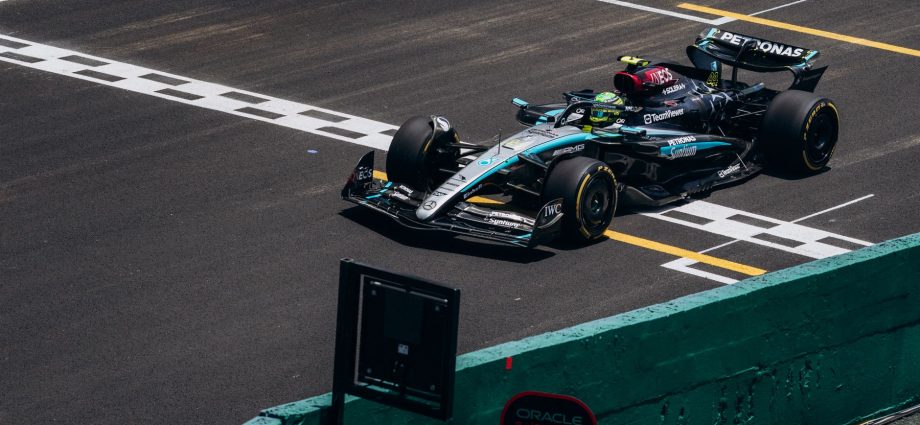
Rwanda F1 contract has raised eyebrows in the racing world, especially after a South African minister’s punchy response to the recent announcement.
Overview of the Rwanda F1 contract
The recent announcement regarding the Rwanda F1 contract has stirred significant interest within the global motorsport community. This contract marks a pivotal moment for Rwanda, positioning the country as a key player in the Formula 1 landscape. The deal is expected to bring a multitude of benefits, including increased tourism and investment opportunities.
Key highlights of the Rwanda F1 contract include:
- Infrastructural Development: The agreement will necessitate enhancements in local infrastructure, which could lead to improved transportation and hospitality facilities.
- Economic Growth: Hosting Formula 1 events is projected to generate substantial revenue, creating jobs and boosting the local economy.
- Global Exposure: As F1 is a highly viewed sport worldwide, Rwanda will gain significant international visibility, attracting potential investors and tourists.
Critics, including some South African officials, have expressed skepticism regarding the deal, questioning if Rwanda possesses the necessary resources to fulfill the contract’s demands. However, supporters argue that this partnership can inspire a new generation of motorsport enthusiasts in the region.
Ultimately, the Rwanda F1 contract represents a bold step toward fostering a more inclusive and diverse future for racing and promoting the nation on a global stage.
South African minister’s response
In response to Rwanda’s recent acquisition of the F1 contract, South African Minister of Sports, Arts, and Culture, Nathi Mthethwa, expressed his thoughts on the development during a press conference. He emphasized the significance of motorsport in Africa and highlighted the competitive nature of the region’s sporting landscape.
“While we respect Rwanda’s initiative in securing the F1 contract, we believe that South Africa remains a formidable player in the motorsport arena,” Mthethwa stated. He acknowledged the potential benefits of the contract for Rwanda, including increased tourism and international visibility. However, he also pointed out that South Africa has a rich history of hosting major sporting events, which should not be overlooked.
The minister urged for a collaborative approach among African nations to promote motorsport on the continent. He mentioned that unity could enhance opportunities for investment and development in the sport, allowing countries to leverage their unique strengths.
Moreover, he hinted at the possibility of South Africa pursuing its own initiatives in motorsport, aiming to reclaim its position as a key player. “We will continue to explore avenues that can elevate South African motorsport to new heights,” he concluded, hinting at a competitive spirit that remains alive in the region.
Impact on African motorsport
The recent Rwanda F1 contract has sparked significant discussions regarding its impact on African motorsport. As the first African nation to host a Formula 1 event in decades, Rwanda is positioning itself as a central player in the continent’s racing landscape. This move is expected to inspire other nations to invest in motorsport, potentially leading to a renaissance in the sport across Africa.
Many stakeholders see this as an opportunity to boost local economies and promote tourism. The influx of international visitors for F1 events can lead to increased revenue for local businesses, including hotels, restaurants, and transport services. Additionally, the exposure from such a high-profile event may attract further investments in infrastructure and technology.
Moreover, the involvement of Rwanda in Formula 1 could serve as a catalyst for nurturing local talent. Racing academies and development programs may emerge, offering young enthusiasts the chance to pursue careers in motorsport. Such initiatives could also support broader educational and employment opportunities in the region.
In summary, while the Rwanda F1 contract may face criticism from neighboring countries, its potential to transform the motorsport scene in Africa is undeniable. The future of racing on the continent could very well hinge on this bold initiative.
Comparing F1 contracts in Africa
The recent announcement of the Rwanda F1 contract has sparked discussions about the broader implications for motorsport in Africa. As nations vie for recognition and investment in the racing world, comparing the contracts within the continent reveals a diverse landscape of potential and challenges.
Historically, South Africa has been the traditional hub for Formula 1 in Africa, hosting several Grand Prix events from the late 1960s to the early 1990s. However, with the emergence of Rwanda’s ambitious plans, the dynamics are shifting. The key differences in the contracts can be seen in several areas:
- Investment Levels: Rwanda’s contract includes significant financial backing aimed at infrastructure development, while South Africa’s past investments have been more variable.
- Government Support: The Rwandan government has positioned motorsport as a priority, contrasting with South Africa’s mixed responses to motorsport funding.
- Global Reach: Rwanda aims to leverage its F1 contract to attract tourism and international events, potentially creating a new hub that rivals existing venues.
As the continent’s motorsport landscape evolves, the implications of the Rwanda F1 contract may pave the way for a new era in racing, capturing the attention of fans and investors alike.
Future of F1 in Rwanda
The future of F1 in Rwanda appears promising as the nation embraces its new role in the world of motorsport. The recent Rwanda F1 contract signifies a pivotal shift in how the sport is perceived and developed across the African continent. With significant investment in infrastructure and a commitment to sustainability, Rwanda is positioning itself as a leader in hosting high-profile sporting events.
Rwanda’s strategic vision includes not only the elevation of motorsport but also enhancing tourism and economic growth. The government aims to attract international attention, showcasing the nation’s capabilities to host events that draw global audiences. This focus on motorsport is expected to inspire a new generation of racers and engineers, creating opportunities for local talent.
As the F1 season approaches, Rwanda’s preparations are in full swing. The country is investing in state-of-the-art facilities and training programs, which will serve as a foundation for developing future drivers. Moreover, this contract could lead to a domino effect, encouraging other African nations to invest in motorsport, thereby strengthening the continent’s presence in the global racing community.
In summary, the Rwanda F1 contract marks not just a new chapter for the country, but potentially a transformative era for African motorsport as a whole.
Expert opinions on the agreement
Experts in the field of motorsport have weighed in on the implications of the Rwanda F1 contract, suggesting that this agreement could be a transformative moment for racing on the African continent. Many view this contract as a strategic move that places Rwanda at the forefront of global motorsport, potentially attracting significant investment and tourism.
John Stevens, a motorsport analyst, emphasized the importance of this deal, stating, “The Rwanda F1 contract not only elevates the profile of motorsport in Africa but also inspires a new generation of racers and fans.” He believes that the partnership can serve as a catalyst for developing local talent and infrastructure.
Meanwhile, Sarah Kamanzi, an African sports commentator, pointed out that “Rwanda’s commitment to sustainability and innovation aligns well with F1’s evolving vision.” She highlights that this contract could lead to advancements in green technologies within the sport, benefiting the environment and setting a precedent for future agreements.
Overall, opinions are largely optimistic, with experts asserting that the Rwanda F1 contract may be pivotal in redefining the landscape of motorsport in Africa, encouraging collaboration and investment across the region.
Photo by Jonathan Borba on Pexels
Comments are closed, but trackbacks and pingbacks are open.