
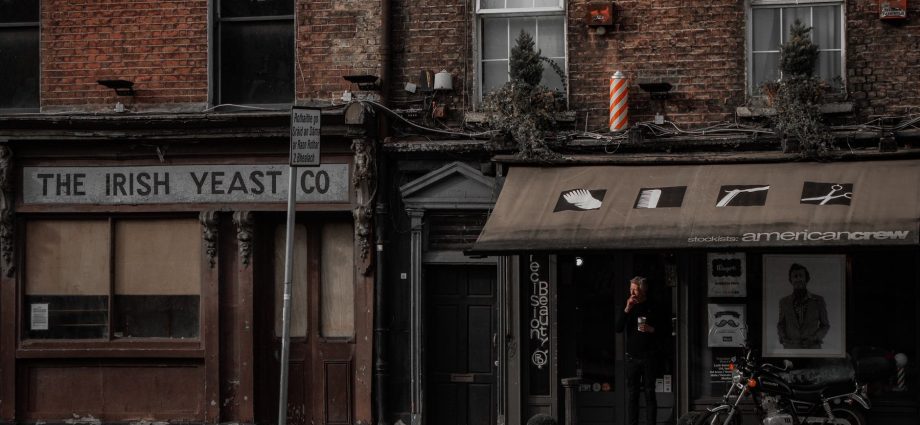
Vanishing shopfronts in Ireland highlight a troubling trend in market towns. As local businesses close, communities face significant challenges that affect their vibrancy and economic health.
The Decline of Local Businesses
The decline of local businesses has become a pressing issue in many Irish market towns, leading to the phenomenon of vanishing shopfronts in Ireland. As consumer habits shift towards online shopping, numerous small enterprises struggle to compete with larger retailers and e-commerce giants.
Factors contributing to this decline include:
- Economic challenges: Many small businesses face rising costs, including rent and utilities, which can be unsustainable.
- Changing demographics: An increase in population migration to urban areas has resulted in dwindling customer bases for rural shops.
- The impact of the pandemic: The recent health crisis has accelerated the closure of many local stores, leaving empty shopfronts in their wake.
As vibrant market towns lose their unique character, the sight of boarded-up windows serves as a stark reminder of the economic realities faced by local entrepreneurs. Communities are now grappling with how to revitalize these areas and support the remaining businesses.
Impact on Community Life
The phenomenon of vanishing shopfronts in Ireland has profound implications for community life in market towns. As local businesses shutter their doors, residents are faced with a stark reality that extends beyond mere shopping options.
Many community members express a sense of loss, as these shops often serve as social hubs where neighbors gather and interact. The decline of these establishments can lead to:
- Isolation: With fewer places to meet, residents may find themselves feeling more disconnected from their community.
- Economic Strain: The closure of shops impacts local employment, reducing job opportunities for residents.
- Reduced Services: As shops vanish, essential services become less accessible, making daily life more challenging for many.
Moreover, the unique character of market towns is at risk, as the diverse shopfronts that once defined these areas are replaced by vacant spaces. This transformation diminishes the cultural vibrancy that attracts visitors and fosters community pride.
Reasons for Shopfront Closures
The decline of shopfronts in Ireland has become a pressing issue, driven by several interconnected factors.
- Economic Challenges: Many local businesses struggle to compete with larger retailers and online shopping platforms, leading to dwindling sales and eventual closures.
- Changing Consumer Habits: Increased convenience and variety offered by e-commerce have shifted consumer preferences away from traditional market towns.
- Population Decline: In some rural areas, decreasing populations have resulted in fewer customers, making it difficult for shops to maintain profitability.
- Rising Costs: Escalating rents and operational costs can be particularly burdensome for small businesses, pushing them towards closure.
- Urbanization: The migration of people to urban centers leaves many market towns with a reduced customer base, contributing to the vanishing shopfronts in Ireland.
As these factors converge, the landscape of Ireland’s market towns continues to change, leaving behind empty shopfronts that once served as the heart of local communities.
Case Studies of Affected Towns
As the phenomenon of vanishing shopfronts in Ireland becomes more prevalent, several towns serve as poignant case studies illustrating this trend. In County Kerry, the once-bustling town of Tralee has seen a significant decline in its retail landscape. Once home to a vibrant mix of local boutiques and family-run shops, many storefronts now stand vacant, leaving behind a sense of loss and nostalgia.
Similarly, in Dungarvan, County Waterford, the disappearance of traditional shops has altered the character of the town. Residents lament the closure of beloved establishments, which served not only as places to shop but also as community hubs where friendships flourished.
In both towns, local councils are exploring initiatives to revitalize these areas. They aim to attract new businesses while preserving the unique charm of their market towns. However, the challenges remain daunting, as economic pressures and changing consumer habits continue to impact local retailers, further contributing to the vanishing shopfronts in Ireland.
Future of Retail in Ireland
The future of retail in Ireland is increasingly uncertain as vanishing shopfronts in Ireland signal a profound shift in consumer behavior and economic sustainability. Market towns, once bustling with local businesses, now face the challenge of adapting to a rapidly changing landscape. The rise of online shopping and the dominance of large retail chains have compelled smaller establishments to close their doors, leaving behind empty storefronts that tell a story of economic hardship.
As communities grapple with these losses, there is a growing call for innovative solutions to revive local economies. Many towns are exploring alternative retail models, such as pop-up shops and community markets, to attract foot traffic and encourage entrepreneurship. Local authorities are also being urged to implement policies that support small businesses, such as reducing rental costs and providing financial incentives.
Ultimately, the future of retail in Ireland hinges on a collective effort to preserve what remains of the unique charm and character of market towns, ensuring that they do not become mere relics of the past.
What Can Be Done?
To address the issue of vanishing shopfronts in Ireland, a multifaceted approach is essential. Communities, local governments, and businesses must collaborate to revitalize market towns and support local economies. Here are several strategies that can be implemented:
- Incentivizing Local Entrepreneurship: Encouraging the establishment of small businesses through grants, low-interest loans, and mentorship programs can help boost local commerce.
- Promoting Tourism: Developing programs that attract visitors to market towns can create a vibrant atmosphere that benefits local shops.
- Community Initiatives: Organizing events such as farmers’ markets, craft fairs, and cultural festivals can draw foot traffic and raise awareness of local businesses.
- Improving Infrastructure: Enhancing public spaces, parking facilities, and pedestrian access can make market towns more appealing to shoppers and visitors.
- Digital Presence: Assisting local retailers in establishing an online presence can help them reach a wider audience, mitigating some effects of diminished foot traffic.
By implementing these measures, communities can work towards reversing the trend of vanishing shopfronts and rejuvenating local economies.
The rise of online shopping has contributed significantly to the phenomenon of vanishing shopfronts in Ireland, leaving many market towns struggling to maintain their unique character. As local businesses close their doors, the impact of vanishing shopfronts in Ireland becomes increasingly evident in the empty streets and dwindling foot traffic.
Photo by Lauren Boswell on Pexels